
Spunbond vs meltblown: choosing the right nonwoven structure
A practical comparison of fibre structure, strength, filtration behaviour and typical applications.
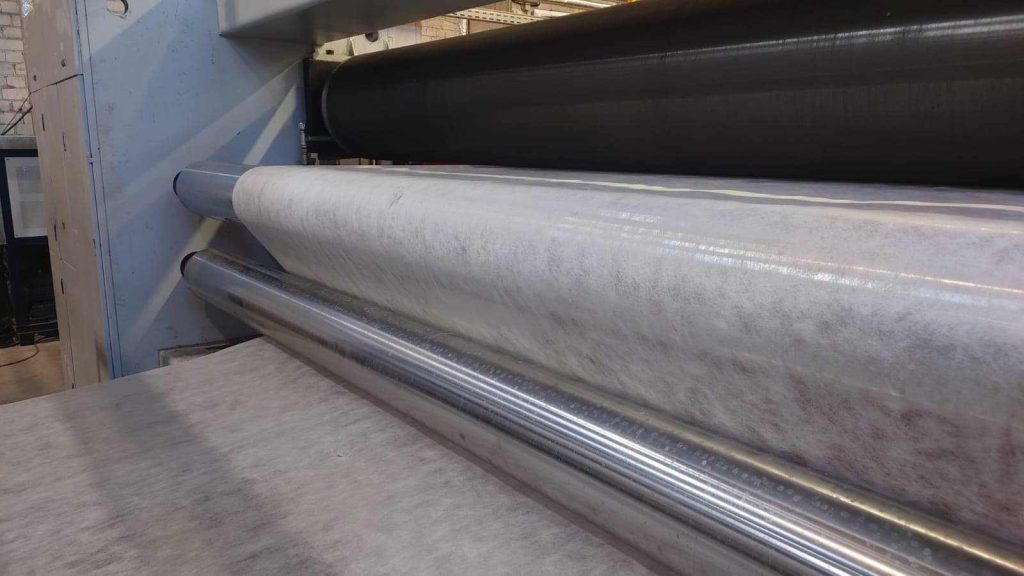
Spunbond and meltblown are both polymer-based nonwovens, but their fibre structures lead to very different strengths. Choosing well means matching the structure to the job instead of treating nonwoven as one interchangeable material.
The short version
| Property | Spunbond | Meltblown |
|---|---|---|
| Fibre structure | Continuous, relatively larger filaments | Very fine, randomly laid fibres |
| Typical strength | Higher tensile and handling strength | Lower standalone strength |
| Main value | Structure, durability, coverage | Surface area, filtration, absorbency |
What makes spunbond different?
Spunbond production forms continuous polypropylene filaments, lays them into a web and bonds the web. The resulting fabric is lightweight but mechanically useful for furniture, agriculture, construction, hygiene and packaging.
What makes meltblown different?
Meltblown technology forms much finer fibres. Their high surface area and tortuous pathways make the structure relevant to filtration and absorbent functions.
A meltblown layer should be specified through a functional target and test method—not just by basis weight.
Five questions to make the choice
- Does the material primarily need mechanical strength or a fine-fibre function?
- Will it be used alone, laminated or assembled into a composite?
- Which performance test will determine acceptance?
- What width, basis weight and roll geometry does the converting line require?
- Does the surface need application-specific behaviour?